

It’s not uncommon to slip in and out of sobriety on your recovery journey. This chronic illness can include symptoms like an intense need for using alcohol, even when the use has become problematic. Symptoms can also include intense periods of withdrawal once you stop using alcohol.
- It can also cause people to experience withdrawal symptoms if they discontinue alcohol use.
- When it is finished, it is highly recommended that addicted individuals stay connected to an aftercare program.
- While people with this condition may start drinking again, studies show that with treatment, most people are able to reduce how much they drink or stop drinking entirely.
- No cure, however, does not mean there is no hope for long-term recovery.
- Because he is a member of a support group that stresses the importance of anonymity at the public level, he does not use his photograph or his real name on this website.
What is considered 1 drink?
While many consider alcoholism, or any addiction for that matter, to simply be a lifestyle choice, researchers and addiction specialists classify alcoholism as a chronic brain disease. For example, antidepressants, if someone with an alcohol addiction were self-medicating to treat their depression. https://ecosoberhouse.com/ Or a doctor could prescribe drugs to assist with other emotions common in recovery. These complications are reasons why it’s important to treat alcohol addiction early. Nearly all risks involved with alcohol addiction may be avoidable or treatable, with successful long-term recovery.
How to Treat and Manage Alcoholism
An intervention from loved ones can help some people recognize and accept that they need professional help. If you’re concerned about someone who drinks too much, ask a professional experienced in alcohol treatment for advice on how to approach that person. As alcohol use disorder progresses from mild to moderate to severe, the drinker experiences increasing distress when they are not drinking. Symptoms from alcohol withdrawal can become very uncomfortable or painful. According to the report, substance use disorders result from changes in the brain that occur with the repeated use of alcohol or drugs. These changes take place in brain circuits involved in pleasure, learning, stress, decision-making and self-control.
Setbacks Are Part of the Process
Treatment professionals help patients navigate aftercare options to find the right fit. As a person progresses in recovery, they may transition from one level of care to another. Treatment programs at every level may vary in the specific services they offer.

Milder cases — when people abuse alcohol but aren’t dependent on it — are as well. Explore Mayo Clinic studies testing new treatments, interventions and tests as a means to prevent, detect, treat or manage this condition. Rather than see relapse as a setback, it can be helpful to view it as an essential part of the recovery journey. Experiencing a relapse can help a person learn more about their triggers for use, give them opportunities to apply the coping mechanisms learned in therapy, and foster a renewed motivation for recovery. Researchers concluded that consuming water during or directly after a drinking session is ineffective in preventing hangovers.
What health complications are associated with alcoholism?
- It affects 12.1% of males 12 and older and 9.1% of females in the same age group.
- “Is there a cure for alcoholism” is a common question among many, including those dealing with addiction as well as loved ones and friends who might be trying to help someone with the disease.
- It is rare that someone would go to treatment once and then never drink again.
- By Buddy TBuddy T is a writer and founding member of the Online Al-Anon Outreach Committee with decades of experience writing about alcoholism.
- This is a topic that continues to be of great debate in our society.
Having consistent accountability and support can make all the difference when it comes to abstaining from alcohol long-term. Regardless of the type of support system, it’s helpful to get involved in at least one when getting sober. Sober communities can help someone struggling with alcohol can alcoholism be cured addiction deal with the challenges of sobriety in day-to-day life. Sober communities can also share relatable experiences and offer new, healthy friendships. And these communities make the person with an alcohol addiction accountable and provide a place to turn to if there is a relapse.
Is Alcoholism a Disease or a Choice?
- Simply understanding the different options can be an important first step.
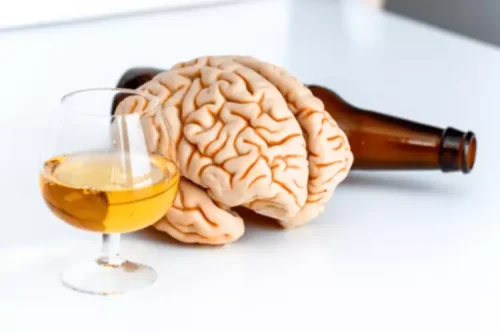
- Other types of brain scans have revealed that alcohol damages parts of the nervous system and the brain stem, causing issues with problem-solving and emotional regulation.
- They may binge drink once or drink for a period of time before getting sober again.
- The severity of the disease, how often someone drinks, and the alcohol they consume varies from person to person.
- You doctor also can refer you to a treatment center or experts who can help.
- If you are considering treatment for yourself or a loved one, call us today.
- Intentionally staying involved with addiction recovery support, also known as aftercare, can help minimize relapse.
We usually experience setbacks along the way, learn from them, and then keep going. Ultimately, there is no one-size-fits-all solution, and what may work for one person may not be a good fit for someone else. Simply understanding the different options can be an important first step. The review tracked the hangover symptoms of boozers who drank water before bed versus those who didn’t.
Long-term outlook for alcohol use disorder

Results showed that those who drank water felt less dehydrated but experienced the same degree of pain, nausea, and exhaustion as those who chose to forgo the H2O. Hosted by Amy Morin, LCSW, this episode of The Verywell Mind Podcast shares strategies for coping with alcohol cravings and other addictions, featuring addiction specialist John Umhau, MD. If you feel that any of our content is inaccurate, out-of-date, or otherwise questionable, please contact at As their condition progresses, their brain chemistry, gray matter, and the specific areas of the brain that are responsible for reward will become permanently altered. Then, when they notice the depressant properties that the substance has on the body, such as deep relaxation and euphoria, they begin to drink more often.